
Best Spray Foam Removal Company in the UK: What to Look For
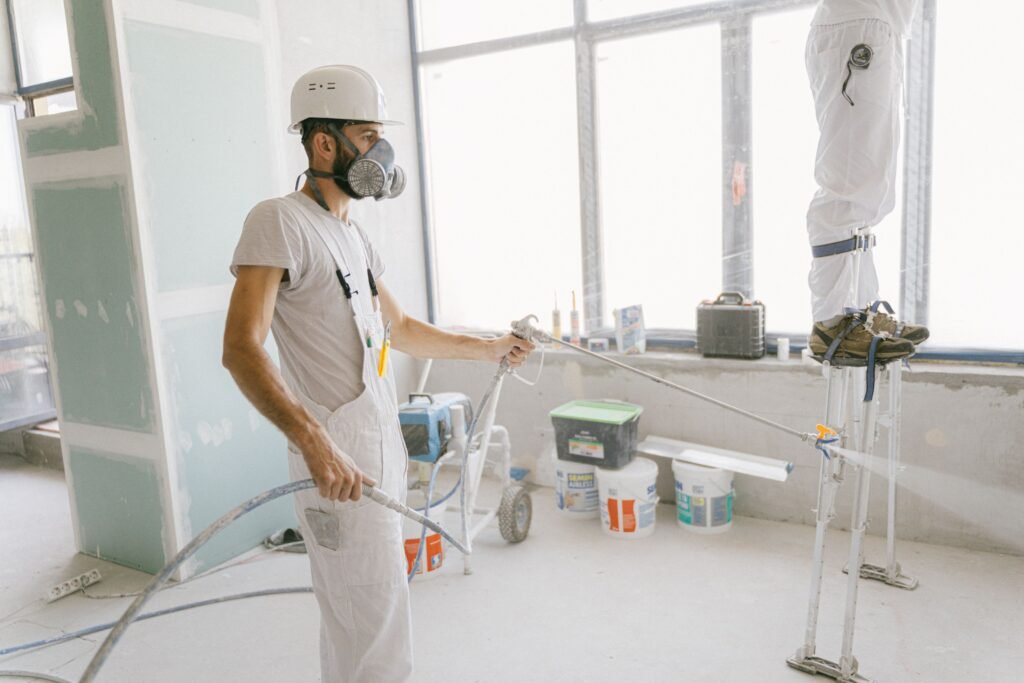
Best Spray Foam Removal Company in the UK: What to Look For Choosing the best spray foam removal company in the UK is an important decision for homeowners dealing with mortgage difficulties, roof inspections, ventilation concerns or plans to sell their property. Although spray foam insulation was installed in many homes to improve energy efficiency, its presence on roof timbers can make it harder for surveyors to assess the condition of the roof. Removing the insulation requires care, appropriate equipment and an understanding of roof construction. A contractor who rushes the process or fails to assess the underlying timber could leave homeowners with additional problems and unexpected costs. Before choosing a company, it is worth comparing several factors, including experience, insurance, inspection procedures, removal methods, quotations and aftercare. This guide explains what to look for and how to find professional spray foam removal specialists who can assess your property and recommend an appropriate solution. Why Might You Need a Spray Foam Removal Company? Spray foam insulation is generally applied to surfaces within a roof space, including the underside of the roof covering or the roof timbers. Depending on the installation and the type of foam used, it can make the underlying structure difficult to inspect. Homeowners may consider professional removal for several reasons. Mortgage or Remortgage Difficulties Some mortgage lenders raise concerns when spray foam insulation is found in a property’s roof space. The presence of foam can make it difficult for a surveyor to inspect the roof structure and determine whether the timbers are in suitable condition. Requirements vary between lenders and individual properties. If a surveyor or lender has raised concerns, ask for the specific requirements in writing before arranging removal. This helps ensure that the proposed work and any completion documentation address the issues identified. Roof Timber Inspection Spray foam can cover rafters and other structural components, concealing areas that need inspection. Removing it may allow a roofing professional or surveyor to examine the timber more closely. However, removal alone does not guarantee that the roof is free from defects. A proper inspection after the foam has been removed is important, particularly if there are signs of damp, deterioration or previous roof leaks. Ventilation and Moisture Concerns Roof ventilation and moisture management depend on the property’s construction, insulation system and existing airflow arrangements. In some circumstances, spray foam can contribute to problems by restricting airflow or concealing moisture-related damage. A professional assessment should establish whether there is an actual ventilation or moisture problem and what remedial work, if any, is required. Preparing a Property for Sale If you plan to sell your home, a surveyor or prospective buyer may raise questions about spray foam insulation. Addressing those concerns early can help you understand what work may be needed before the property reaches an advanced stage of the sales process. If a lender has already specified particular requirements, discuss them with your contractor before agreeing to a removal plan. How to Choose the Best Spray Foam Removal Company in the UK Not all contractors offer the same services, assessment procedures or documentation. Comparing the following factors can help you make a more informed decision. 1. Look for Relevant Spray Foam Removal Experience Roofing experience is valuable, but spray foam removal requires an understanding of the challenges associated with removing material from roof timbers and other surfaces. Ask prospective contractors about their experience with your type of foam, the construction of your roof and similar properties. Open-cell and closed-cell foam can differ in flexibility, adhesion and removal difficulty, so the proposed approach should reflect the conditions found in your loft. A reputable contractor should explain how the work will be carried out, what complications could arise and how they plan to protect the roof structure. Be cautious of companies that promise identical results for every property without first understanding the installation. 2. Check Insurance and Relevant Qualifications Before hiring spray foam removal contractors, ask for evidence of appropriate insurance and details of the training or qualifications relevant to the work. Public liability insurance can provide protection in certain circumstances if the contractor causes damage or injury covered by the policy. You should also establish whether the company has suitable cover for the specific activities it will undertake. Ask whether any additional specialists will be required to inspect or repair the roof after removal. Structural concerns may need assessment by an appropriately qualified professional rather than the removal team alone. Do not rely solely on a company’s use of terms such as “approved”, “certified” or “accredited”. Ask which organisation issued the credential, what it covers and whether it applies to the work being proposed. 3. Insist on a Proper Roof and Loft Assessment A reliable removal project should begin with an assessment of the existing conditions. Depending on the property, this may include checking: The type and thickness of spray foam present. The areas covered by the insulation. The accessibility of rafters and other roof components. Visible signs of damp, timber deterioration or previous leaks. The roof covering and any known defects. Ventilation arrangements and potential moisture concerns. Access restrictions, waste handling and health and safety requirements. The contractor should explain the findings and identify any limitations. If parts of the roof cannot be assessed until the foam is removed, this should be made clear before work begins. A detailed assessment helps reduce the risk of unexpected costs and allows the company to prepare a more appropriate quotation. 4. Understand the Proposed Removal Method The method used to remove spray foam should suit the material, the surface to which it is attached and the condition of the roof. Some foam can be difficult to separate from timber without damaging the underlying surface. The contractor should explain which tools and techniques will be used, how dust and debris will be controlled, and what precautions will protect the property. Ask how the team will deal with fragile roof components, restricted access and areas where the foam has bonded firmly to the